

- Understanding of LPG
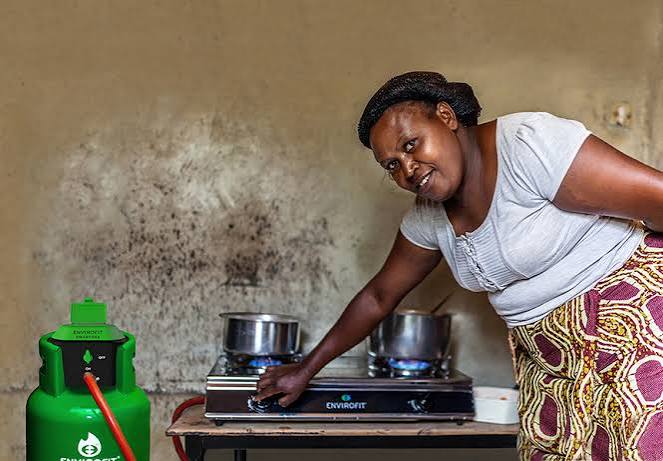
LPG (Liquefied Petroleum Gas) is a fuel made mainly from propane and butane. It is stored under pressure in liquid form, usually in cylinders or bulk tanks, and changes into a gas when released for use. It is widely used for cooking in homes and restaurants, heating and hot water systems, industrial processes, off grid and backup energy fuels
Thus, LPG is simply “a versatile, efficient and convenient energy source that supports modern cooking, businesses and industries while playing an important role in the transition towards cleaner cooking in Africa”.
2. The LPG Roadmap for Clean Cooking in Africa
The Global LPG demand continues to be driven by the residential and commercial sectors, with an increase in LPG consumption in the residential and commercial sectors.
The LPG Roadmap for Africa, identifies three main areas of action strong regulatory foundations, consumer financing, and investment in infrastructure. Launched by the World Liquid Gas Association (WLGA) in December 2024, it sets out a pathway for expanding LPG access as part of Africa’s transition to clean cooking.
- Strong Regulatory Foundations: Establishing clear enforceable regulations by creating partnerships between governments and industry stakeholders, promoting the Cylinder Recirculation Model (CRM) to ensure safe and efficient distribution, and implementing comprehensive safety regulations for LPG cylinders. Effective regulatory frameworks will build consumer confidence and encourage investment in the LPG sector.
- Consumer Financing: Overcoming the economic barriers to LPG adoption requires innovative financing solutions. Micro-financing, pay- as-you-go systems, and partnerships between financial institutions and energy companies can make LPG more accessible to low-income households. Successful pilot projects in countries like Cameroon and Kenya demonstrate the potential of these strategies to increase LPG usage and improve repayment rates.
- Investment in Infrastructure: LPG adoption requires investment beyond the household. This includes import terminals, bulk storage, bottling plants, cylinders, distribution facilities, specialised transport and roads capable of reaching underserved communities. The IEA similarly identifies additional storage, port infrastructure, bottling facilities and safe LPG transport as important requirements for expanding distribution.
3. The clean-cooking challenge
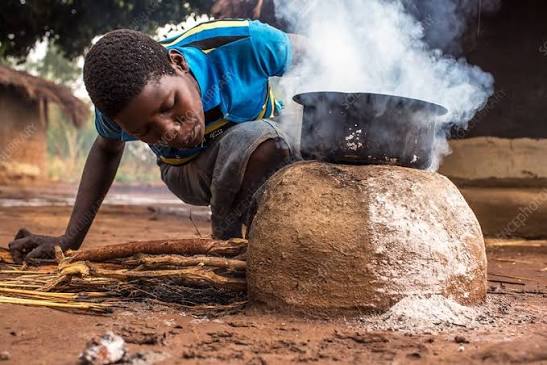
Clean cooking remains a major energy-access challenge in Africa. The IEA reported in 2025 that 4/5 households in sub-Saharan Africa still lack access to clean cooking, with traditional fuels such as wood and charcoal remaining widely used.
This creates challenges related to:
- High upfront costs: Clean stoves, LPG equipment, electric appliances, and connections can be expensive for low-income households.
- Fuel affordability and availability: Even when clean technologies are available, the ongoing cost and reliable supply of fuel can discourage adoption.
- Infrastructure gaps: Limited electricity grids, LPG distribution networks, transport infrastructure, and rural supply chains make access difficult.
- Traditional cooking practices: People may prefer familiar fuels and cooking methods because they suit local foods, cooking habits, and cultural practices.
- Safety concerns: Poorly designed or maintained equipment and inadequate user training can create concerns about fires, burns, gas leaks, or electric hazards.
- Reliability: Electricity interruptions and shortages of clean fuels can push households back toward charcoal or firewood.
- Environmental impacts: Unsustainably harvested firewood and charcoalcontribute to deforestation and greenhouse-gas emissions.
- Health impacts: Continued reliance on polluting fuels exposes households especially women and children to harmful smoke and increases risks of respiratory and cardiovascular disease.
- Gender and time burden: In many African communities, women and girls are primarily responsible for collecting fuel and cooking, creating significant unpaid work and exposure to smoke.
- Policy and financing challenges: Weak incentives, limited consumer financing, insufficient standards, and fragmented clean-cooking programs can slow the transition.
LPG provides a modern cooking option that can be deployed without requiring every household to have a reliable electricity connection. It offers controllable heat, relatively fast cooking, and can be distributed through cylinders and established fuel networks.
4. Why LPG is part of the solution: 2026-2030 Strategy
A practical roadmap can be presented as:.
4.1 2026–2028 → Expand access
- Increase LPG storage and bottling capacity.
- Expand distribution networks.
- Introduce consumer financing and affordable payment models.
- Support local LPG businesses and distribution networks.
- Expand safety education and technical training.
4.3 2028–2030 → Scale up
- Extend LPG access into rural and low-income communities.
- Improve affordability and supply reliability.
- Integrate LPG into broader national clean-cooking programmes.
- Monitor household adoption, safety, affordability and environmental outcomes.
5. Foundations for Competitive and Effective Fiscal Policy
A range of fiscal policies have been implemented to promote the adoption of LPG as a cleaner and safer alternative to traditional cooking fuels in Africa and globally. Subsidies tend to be one of the most common policies in countries committed to ramping up LPG and other fuel consumption.
While subsidies do contribute to short- term energy access and accessibility, these subsidies have also been a strain on national budgets, particularly in Africa. Subsidies are also difficult to retract, as evidenced in Latin American markets, and lead to long-term price uncertainty, lack of private market investment, and atrophy in clean cooking fuel consumption. Nevertheless, competitive and effective fiscal policy is still crucial to growing LPG imports and distribution in Africa.
6. The bigger picture
LPG should be considered one component of Africa’s broader clean-cooking transition, rather than the only technology. The IEA’s 2025 analysis considers LPG alongside electricity, modern bioenergy, bioethanol, biogas and other solutions, with the appropriate technology varying according to local infrastructure, affordability and resource availability.
The main challenge is not simply providing clean cooking technologies; it is making them affordable, accessible, reliable, culturally appropriate, and sustainable for households for long term.